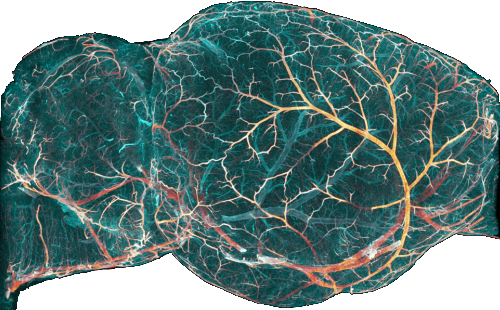
from __future__ import annotations
import getpass
from packaging.version import Version
from ClearMap.config.change_detection import (channels_added_or_removed, channel_data_type_changed,
whole_sample_changed, channels_with_changed_property,
channel_path_changed, IRRELEVANT_DATA_TYPES)
from ClearMap.config.convert_config_versions import convert_versions
from ClearMap.gui.exception_handler import install_global_handler
"""
app
===
The main file for the GUI that contains the entry point to start the software
.. ::
TODO:
Handle reset detected correctly
Fix qrc resources (ui files should not be coded by path)
Delete intermediate files
Ensure all machine config params are in the preferences UI
Analysis:
LATER:
Auto modes:
- Run all
"""
__author__ = 'Charly Rousseau <charly.rousseau@icm-institute.org>'
__license__ = 'GPLv3 - GNU General Public License v3 (see LICENSE.txt)'
__copyright__ = 'Copyright © 2022 by Charly Rousseau'
__webpage__ = 'https://idisco.info'
__download__ = 'https://github.com/ClearAnatomics/ClearMap'
from ClearMap.gui.gui_utils_base import unique_connect
from ClearMap.gui.widgets import ClickableFrame
print('Starting base imports...', flush=True)
import os
import sys
import math
import shutil
import inspect
import tempfile
import warnings
from copy import deepcopy
from typing import Optional, Callable, List, Dict, Type, Any, Iterable, Tuple
import atexit
from multiprocessing.pool import ThreadPool
from pathlib import Path
from statistics import mode
# # WARNING: Necessary for QCoreApplication creation
# from PyQt5.QtWebEngineWidgets import QWebEngineView # noqa: F401
print('Importing PyQt5...', flush=True)
from PyQt5 import QtGui
from PyQt5.QtGui import QGuiApplication
from PyQt5.QtCore import Qt, QBuffer
from PyQt5.QtWidgets import (QApplication, QMainWindow, QWidget, QPushButton, QSpinBox, QDoubleSpinBox,
QComboBox, QLineEdit, QMessageBox, QToolBox, QProgressBar, QLabel,
QStyle, QAction, QDockWidget)
import qdarkstyle
from qdarkstyle import DarkPalette
print('Running first ClearMap imports...', flush=True)
import ClearMap.gui.dialog_helpers
os.environ['CLEARMAP_GUI_HOSTED'] = "1"
# ########################################### SPLASH SCREEN ###########################################################
from ClearMap.config.early_boot import MachineConfig, first_boot
from ClearMap.gui import gui_utils_base as base_utils
print('Running first boot checks...', flush=True)
first_boot()
_machine_cfg = MachineConfig()
DEBUG = _machine_cfg.verbosity in ('trace', 'debug')
CLEARMAP_VERSION = _machine_cfg._version
print('Building application...', flush=True)
# To show the splash screen during imports
app = base_utils.ensure_qapp()
palette = app.palette() # WARNING: necessary because QWhatsThis does not follow stylesheets
palette.setColor(QtGui.QPalette.ColorRole.ToolTipBase, QtGui.QColor(DarkPalette.COLOR_BACKGROUND_2))
palette.setColor(QtGui.QPalette.ColorRole.ToolTipText, QtGui.QColor(DarkPalette.COLOR_TEXT_2))
app.setPalette(palette) # noqa
# Attempt to force appearance
app.setApplicationName('ClearMap')
app.setApplicationDisplayName('ClearMap')
app.setOrganizationName('ClearAnatomics')
app.setApplicationVersion(CLEARMAP_VERSION)
try:
QGuiApplication.setDesktopFileName('clearmap.desktop') # For Ubuntu Unity proper task bar display
except Exception:
pass # some graphical envs complain but never mind
# Resolve icon from installed package REFACTOR: use qrc
here = Path(__file__).resolve()
GUI_FOLDER = here.parent
ICONS_FOLDER = GUI_FOLDER / 'creator' / 'icons'
CLEARMAP_ICON = QtGui.QIcon(str(ICONS_FOLDER / 'logo_cyber.png'))
app.setWindowIcon(CLEARMAP_ICON)
print('Creating splash screen...', flush=True)
# WARNING: first because otherwise, breaks (must be imported before processing the UI)
from ClearMap.Alignment.Stitching import layout_graph_utils # noqa: F401
from ClearMap.gui import dialog_helpers as dlg_helpers
splash, progress_bar = ClearMap.gui.dialog_helpers.make_splash(text_zone=30) # Use default resolution for this early version
splash.show()
[docs]
def overlay_splash_message(msg: str) -> None:
print(msg, flush=True)
font = QtGui.QFont()
font.setPointSize(16)
font.setBold(True)
font.setStyleHint(QtGui.QFont.SansSerif)
splash.setFont(font)
color = QtGui.QColor(255, 255, 255, 180)
splash.showMessage(msg, Qt.AlignLeft | Qt.AlignBottom, color)
app.processEvents()
app.processEvents()
from ClearMap.gui.pretty_imports import run_staged_imports, discover_import_tasks
app.processEvents()
SLOW_IMPORTS = discover_import_tasks(__file__)
print('Staged imports:')
if not SLOW_IMPORTS:
print(f'No slow imports detected. This is probably a bug, '
f'check the discover_import_tasks function and the import tasks in this file')
print('Starting heavy imports...', flush=True)
run_staged_imports(SLOW_IMPORTS, on_message=overlay_splash_message, #lambda m: splash.showMessage(m),
on_progress=lambda p: ClearMap.gui.dialog_helpers.update_pbar(app, progress_bar, p),
target_namespace=globals())
# WARNING: the following lines serves as a marker for the `discover_import_tasks` scanner, do not alter or delete it
### SLOW IMPORTS ###
import pyqtgraph as pg
import torch
from ClearMap.Visualization.Qt.DataViewer import DataViewer
from ClearMap.Alignment.Stitching import layout_graph_utils # noqa: F401 # WARNING: first because otherwise, breaks with pytorch
from ClearMap.Utils.utilities import title_to_snake, snake_to_title, deep_merge
from ClearMap.Utils.event_bus import EventBus, BusSubscriberMixin
from ClearMap.Utils.events import (CfgChanged, UiRequestRefreshTabs, UiTabActivated, TabActivationResult,
TabsUpdated, ChannelsSnapshot, ChannelDefaultsChanged)
from ClearMap.config.update_config import update_default_config
from ClearMap.config.config_coordinator import make_cfg_coordinator_factory
from ClearMap.config.config_handler import ConfigHandler, CLEARMAP_CFG_DIR, ALTERNATIVES_REG, \
scan_folder_for_experiments
from ClearMap.gui.gui_utils_images import get_current_res
from ClearMap.gui.tab_registry import TabRegistry
from ClearMap.gui.widget_monkeypatch_callbacks import recursive_patch_widgets
from ClearMap.pipeline_orchestrators.sample_info_management import SampleManager
from ClearMap.pipeline_orchestrators.experiment_controller import ExperimentController, AnalysisGroupController, \
AppMode
from ClearMap.gui.tabs_interfaces import GenericTab, ExperimentTab, GroupTab
from ClearMap.gui.preferences import PreferenceUi
from ClearMap.gui.gui_logging import Printer
from ClearMap.gui.pyuic_utils import loadUiType
from ClearMap.gui import widgets as cmp_widgets
from ClearMap.gui import style
from ClearMap.gui import dialogs as dlgs
from ClearMap.gui.about import AboutInfo
### END SLOW IMPORTS ###
CURRENT_RES = get_current_res(app)
pg.setConfigOption('background', style.PLOT_3D_BG)
ABOUT_INFO = AboutInfo(software_name=f'You are running ClearMap version {CLEARMAP_VERSION}', version=CLEARMAP_VERSION,
authors=["Christoph Kirst", "Charly Rousseau", "Sophie Skriabine", "the ClearMap team"],
github_url="https://github.com/ClearAnatomics/ClearMap.git",
documentation_url="https://clearanatomics.github.io/ClearMapDocumentation/",
website_url="https://idisco.info/", license_info="Released under the GNU GPLv3 License.")
HARD_DEFAULT_FONT_SIZE = 11
Ui_ClearMapGui, _ = loadUiType(os.path.join(base_utils.UI_FOLDER, 'creator', 'mainwindow.ui'), from_imports=True,
import_from='ClearMap.gui.creator', patch_parent_class=False,
customWidgets={"ClickableFrame": ClickableFrame})
[docs]
class ClearMapAppBase(QMainWindow, Ui_ClearMapGui):
"""
The interface for the ClearMapGui class
It deals with the basics of logic of the main window, the plotting
progress bars and performance monitors and appearance.
Anything more application related is coded in the child class.
"""
def __init__(self):
super().__init__()
self.graphs = []
self._reload_icon = self.style().standardIcon(QStyle.SP_BrowserReload)
self.logger = None
self.progress_logger = Printer(logger_type='progress')
self.error_logger = None
self.progress_dialog = None
self.progress_watcher = cmp_widgets.ProgressWatcher(timer_interval_ms=250)
self.default_font_size = self.compute_default_font_size()
self.cpu_bar = QProgressBar() # noqa
self.single_thread_bar = QProgressBar() # noqa
self.ram_bar = QProgressBar() # noqa
self.gpu_bar = QProgressBar() # noqa
self.vram_bar = QProgressBar() # noqa
if torch.cuda.is_available():
gpu_period = 500
else:
gpu_period = None
self.perf_monitor = cmp_widgets.PerfMonitor(self, 500, gpu_period)
self.perf_monitor.cpu_vals_changed.connect(self.update_cpu_bars)
if torch.cuda.is_available():
self.perf_monitor.gpu_vals_changed.connect(self.update_gpu_bars)
self.perf_monitor.start()
[docs]
def find_child_by_name(self, child_name: str, child_type: type[QWidget],
parent: Optional[QWidget] = None) -> Optional[QWidget]:
"""
Find children in the window or any other widget
Parameters
----------
child_name : str
The name of the widget we are looking for
child_type:
The type of widget to search
parent : QWidget
The parent widget to start from. If none given, will use the main window.
Returns
-------
QWidget
The child widget matching the name and type
"""
if parent is None:
parent = self
for child in parent.findChildren(child_type):
if child.objectName() == child_name:
return child
else:
return None
def __print_status_msg(self, msg: str, color):
self.statusbar.setStyleSheet(f'color: {color}')
self.statusbar.showMessage(msg)
[docs]
def print_error_msg(self, msg: str | Exception):
"""
Print a message in red in the statusbar
Parameters
----------
msg : str
The message to be printed
"""
if isinstance(msg, Exception):
msg = str(msg)
self.__print_status_msg(msg, '#ff5555') # red from qdarkstyle palette
[docs]
def print_warning_msg(self, msg: str):
"""
Print a message in yellow in the statusbar
Parameters
----------
msg : str
The message to be printed
"""
self.__print_status_msg(msg, 'yellow')
[docs]
def print_status_msg(self, msg: str):
"""
Print a message in green in the statusbar
Parameters
----------
msg : str
The message to be printed
"""
self.__print_status_msg(msg, 'green')
[docs]
def set_font_size(self, target_font_size=dlg_helpers.DISPLAY_CONFIG[CURRENT_RES]['font_size']):
"""
Set the font sizes of the widgets based on *target_font_size*. All fonts will
be shifted based on that size. This should preserve the size relationships of the fonts
in the program. It is assumed that the program uses 4 font sizes:
- small
- regular
- big
- and huge
This will shift font sizes so that the supplied size corresponds to the new regular size.
Parameters
----------
target_font_size : int
The main font size
"""
self.default_font_size = self.compute_default_font_size() # or self.compute_default_font_size_mean()
min_font_size = 1 # Define a minimum font size to avoid negative or zero font sizes
scaling_factor = target_font_size / self.default_font_size
for widget in self.findChildren(QWidget):
font = widget.font() # font = widget.property("font")
current_size = font.pointSize()
if current_size > 0: # Ensure the font size is valid
# Calculate the new font size relative to the target font size
new_size = int(current_size * scaling_factor)
# Ensure the new font size is not less than the minimum font size
font.setPointSize(max(new_size, min_font_size))
widget.setFont(font)
[docs]
def set_font(self):
for widget in self.findChildren(QWidget):
font = widget.property('font')
try:
font.setFamily(self.preference_editor.params.font_family) # REFACTOR: part of child class
except KeyError:
print(f'Skipping widget {widget.objectName()}')
widget.setFont(font)
[docs]
def compute_default_font_size(self):
"""
Gets the most represented font size in the program. This is the default font size
Returns
-------
int
The default font size
"""
font_sizes = [widget.font().pointSize() for widget in self.findChildren(QWidget) if widget.font().pointSize() > 0]
if font_sizes:
return mode(font_sizes)
return HARD_DEFAULT_FONT_SIZE # Fallback to a default value if no valid font sizes are found
[docs]
def fix_sizes(self):
# self.set_font_size()
self.tabWidget.setMinimumWidth(200)
self.tabWidget.setMinimumHeight(600)
dock_width = round(self.width() * 4/5)
self.resizeDocks([self.graphDock], [dock_width], Qt.Horizontal)
[docs]
def fix_styles(self):
"""The meta function calling all the style functions"""
self.setStyleSheet(style.BTN_STYLE_SHEET) # Makes it look qdarkstyle
# self.fix_btns_stylesheet()
self.fix_widgets_backgrounds()
self.fix_sizes()
self.fix_tooltips_stylesheet()
try:
tab = self.get_tab_widget('Sample info')
except KeyError: # FIXME: check that we are indeed in batch mode in that case
return
children = tab.findChildren(QWidget)
if not children:
return # tab not fully loaded yet
btn = tab.launchPatternWizardPushButton
btn.setStyleSheet(style.HIGHLIGHTED_BTN_STYLE)
[docs]
def fix_btns_stylesheet(self):
for btn in self.findChildren(QPushButton):
btn.setStyleSheet(style.BTN_STYLE_SHEET)
[docs]
def file_exists(self, f_path: Path) -> bool:
if f_path.exists():
return True
else:
self.print_warning_msg(f'File "{f_path}" not found')
return False
[docs]
def graph_by_name(self, name: str) -> QWidget:
"""
Search self.graphs for name
Parameters
----------
name : str
The objectName of the graph widget we are looking for
"""
return [g for g in self.graphs if g.objectName() == name][0]
[docs]
def clear_plots(self):
"""
Remove all plots currently displayed in the DataViewer area of the interface
The underlying widgets are also scheduled for garbage collection
"""
base_utils.clear_layout(self.graphLayout)
self.graphs = []
self.perf_monitor.start()
[docs]
def setup_plots(self, dvs: list["DataViewer"], graph_names: Optional[list[str]] = None):
"""
Set the plots provided as argument in the DataViewer area of the UI in a grid format.
The items in the list have to be derived from QWidget
Parameters
----------
dvs : List[DataViewer]
The list of DataViewer (or any other QWidget derived object) to add
to the display grid
graph_names: None or List[str]
Optional The names attached to the graphs for later reference
"""
if graph_names is None:
graph_names = [f'graph_{i}' for i in range(len(dvs))]
self.clear_plots()
n_rows, n_cols = base_utils.compute_grid(len(dvs))
n_spacers = (n_rows * n_cols) - len(dvs)
for i in range(n_spacers):
spacer = QWidget(parent=self)
spacer_name = f'spacer_{i}'
graph_names.append(spacer_name)
dvs.append(spacer)
dock_size = self.dataViewerDockWidgetContents.size()
for i, dv in enumerate(dvs):
dv.setObjectName(graph_names[i])
row = i // n_cols
col = i % n_cols
if len(dvs) > 1:
self.__resize_graph(dv, n_cols, n_rows, dock_size=dock_size)
self.graphLayout.addWidget(dv, row, col, 1, 1)
self.graphs.append(dv)
self.app.processEvents()
self.dataViewerDockWidgetContents.resize(dock_size)
self.app.processEvents()
def __resize_graph(self, dv, n_cols, n_rows, dock_size, margin=9, spacing=6):
width = math.floor((dock_size.width() - (2*margin) - (n_cols-1)*spacing) / n_cols)
height = math.floor((dock_size.height() - (2*margin) - (n_rows-1)*spacing) / n_rows)
dv.resize(width, height)
dv.setMinimumSize(width, height) # required to avoid wobbly dv
[docs]
def setup_icons(self):
"""
Patch the icons of the program
"""
self._reload_icon = self.style().standardIcon(QStyle.SP_BrowserReload)
[docs]
def monkey_patch(self):
recursive_patch_widgets(self)
self.patch_tool_boxes()
# self.fix_styles()
[docs]
@staticmethod
def create_missing_file_msg(f_type: str, f_path: Path | str, default_path: Path | str) -> tuple[str, str]:
base_msg = f'No {f_type} file found at:<br> <nobr><em>"{f_path}"</em></nobr>.'
msg = f'{base_msg} <br><br>Do you want to load a default one from:<br> <nobr><em>"{default_path}"</em>?</nobr>'
return base_msg, msg
[docs]
def make_progress_dialog(self, title: str = 'Processing', n_steps: int = 1, maximum: int = 100,
abort: Optional[Callable] = None, parent: Optional[QWidget] = None):
"""
Create a single or nested (2 nested bars) progress dialog.
The dialog is initialised with the parameters below and linked to self.progress_watcher
to drive updates of the titles and progress bar.
Parameters
----------
title : str
The title of the dialog
n_steps : int
The number of steps of the main step for nested dialogs
maximum : int
The maximum value of the progress bar (or the second bar for nested dialogs)
abort : function
The function to trigger when the abort button is clicked
parent : QWidget
The parent widget to the dialog
"""
if n_steps:
n_steps += 1 # To avoid range shrinking because starting from 1 not 0
nested = True
self.progress_dialog = ClearMap.gui.dialog_helpers.make_nested_progress_dialog(
title=title, overall_maximum=n_steps,
abort_callback=abort, parent=parent)
# Dialog-bound slots — disconnect_all because target widget changes each call
unique_connect(self.progress_watcher.main_max_changed,
self.progress_dialog.mainProgressBar.setMaximum,
disconnect_all=True)
unique_connect(self.progress_watcher.main_progress_changed,
self.progress_dialog.mainProgressBar.setValue,
disconnect_all=True)
# Stable slot — just ensure no duplicate
unique_connect(self.progress_watcher.main_step_name_changed,
self.handle_step_name_change)
else:
nested = False
self.progress_dialog = ClearMap.gui.dialog_helpers.make_simple_progress_dialog(
title=title, abort_callback=abort, parent=parent)
# Dialog-bound slots — disconnect_all because target widget changes each call
unique_connect(self.progress_watcher.max_changed,
self.progress_dialog.subProgressBar.setMaximum,
disconnect_all=True)
unique_connect(self.progress_watcher.progress_changed,
self.progress_dialog.subProgressBar.setValue,
disconnect_all=True)
# Stable slots — just ensure no duplicate
unique_connect(self.progress_watcher.sub_step_name_changed,
self.handle_sub_step_change)
unique_connect(self.progress_watcher.finished,
self.signal_process_finished)
if nested:
self.progress_watcher.setup(main_step_name=title, main_step_length=n_steps)
else:
self.progress_watcher.setup(main_step_name='', main_step_length=1, sub_step_length=maximum, pattern=None)
self.set_tabs_progress_watchers(nested=nested)
[docs]
def set_tabs_progress_watchers(self, nested: bool = False):
raise NotImplementedError()
[docs]
def wrap_in_thread(self, func: Callable, *args, **kwargs):
"""
Wraps the function in a thread to ensure that the GUI remains responsive
In general all processing done in the GUI should go through this method
Parameters
----------
func : function
The function to wrap
args :
The arguments to the function func
kwargs :
The keyword arguments to forward to func
Returns
-------
The result of the execution of the function func
"""
self.progress_watcher.start_polling()
with ThreadPool(processes=1) as pool:
result = pool.apply_async(func, args, kwargs)
while not result.ready():
result.wait(0.25)
self.app.processEvents()
self.progress_watcher.stop_polling()
self.progress_watcher.finish()
return result.get()
[docs]
def signal_process_finished(self, msg: str = 'Idle, waiting for input'):
"""
Handles the end of the current computation with a message to be printed
and logged. It will also notify and close the progress dialog window
if there is one
Parameters
----------
msg : str
The message to display
"""
if not any([kw in msg.lower() for kw in ('idle', 'done', 'finish')]):
msg += ' finished'
self.print_status_msg(msg)
self.log_progress(msg)
if self.progress_dialog is not None:
dlg = self.progress_dialog
self.progress_dialog = None # ← set to None BEFORE done()
dlg.done(1) # so re-entrant calls are no-ops
[docs]
def handle_step_name_change(self, step_name: str):
"""
Handle a change of the name of the current computation step by registering
the new step and updating the progress dialog
Parameters
----------
step_name : str
The new step name
"""
if self.progress_dialog is not None:
self.progress_dialog.mainStepNameLabel.setText(step_name)
[docs]
def handle_sub_step_change(self, step_name: str):
"""
Handle a change of the name of the current computation sub step
by updating the progress dialog and logging the new substep
Parameters
----------
step_name : str
The new step name
"""
if self.progress_dialog is not None:
self.progress_dialog.subProgressLabel.setText(step_name)
self.log_progress(f' {step_name}')
[docs]
def log_progress(self, msg: str):
self.progress_logger.write(msg)
[docs]
def setup_monitoring_bars(self):
"""Create the performance monitoring bars in the status bar"""
for label, bar in zip(('CPU', None, 'RAM', 'GPU', 'VRAM'),
(self.cpu_bar, self.single_thread_bar, self.ram_bar, self.gpu_bar, self.vram_bar)):
if label is not None:
self.statusbar.addPermanentWidget(QLabel(label))
else:
bar.setMaximumWidth(5)
bar.setStyleSheet('QProgressBar::chunk{background-color: yellow;}')
bar.setTextVisible(False)
bar.setContentsMargins(0, 0, 0, 0)
bar.setOrientation(Qt.Vertical)
bar.setMaximumHeight(40)
self.statusbar.addPermanentWidget(bar)
[docs]
def update_cpu_bars(self, cpu_percent: int, thread_percent: int, ram_percent: int):
"""
Update the performance monitoring bars in the status bar
Parameters
----------
cpu_percent : int
The CPU usage percent to display
thread_percent : int
The percent usage of the main ClearMap thread to display
ram_percent : int
The RAM usage percent to display
"""
self.cpu_bar.setValue(cpu_percent)
self.single_thread_bar.setValue(thread_percent)
self.ram_bar.setValue(ram_percent)
[docs]
def update_gpu_bars(self, gpu_percent: int, v_ram_percent: int):
"""
Update the performance monitoring bars in the status bar
Parameters
----------
gpu_percent : int
The GPU usage percent to display
v_ram_percent : int
The Graphics RAM usage percent to display
"""
self.gpu_bar.setValue(gpu_percent)
self.vram_bar.setValue(v_ram_percent)
[docs]
class ClearMapApp(ClearMapAppBase):
"""
The Main class of the GUI. This class focuses on the real business logic of the application.
This represents the main window which has instances of the different
tabs derived from GenericTab , which correspond to different steps of the program.
"""
def __init__(self, experiment_controller, bus, gui_controller):
super().__init__()
self.experiment_controller = experiment_controller
self.bus = bus
self.gui_controller = gui_controller
self.setupUi(self)
self.setWindowIcon(CLEARMAP_ICON)
self.config_loader = ConfigHandler('')
self.ortho_viewer = cmp_widgets.OrthoViewer()
self.experimentModePushButton.clicked.connect(self._select_experiment_mode)
self.batchModePushButton.clicked.connect(self._select_group_mode)
self._init_sample_tab_mgr()
# Menu actions
self.about_action = QAction('&About', self)
self.preference_editor = PreferenceUi(self)
self.actionPreferences.triggered.connect(self.preference_editor.open)
self.assetsManagerWidget: Optional[cmp_widgets.ManageAssetsWidget] = None
self.assetsManagerDock = QDockWidget("Workspace Manager", self)
self.assetsManagerDock.setAllowedAreas(Qt.RightDockWidgetArea)
self.assetsManagerDock.setFloating(False)
self.addDockWidget(Qt.RightDockWidgetArea, self.assetsManagerDock)
self.structure_selector = cmp_widgets.StructureSelector(app=self)
self.actionStructureSelector.triggered.connect(self.structure_selector.show)
self.amend_ui()
self._init_drag_drop()
self.setup_monitoring_bars()
self.app = QApplication.instance() # noqa
# FIXME: do for current version w/ config_handler
if not os.path.exists(CLEARMAP_CFG_DIR):
update_default_config()
self.bus.subscribe(TabsUpdated, self._on_tabs_updated)
[docs]
def reset(self):
self.config_loader = ConfigHandler('')
self.ortho_viewer = cmp_widgets.OrthoViewer()
self._init_sample_tab_mgr()
self.gui_controller._needs_tab_reset = True # Will clear tabs on next call
self.amend_ui()
def _infer_mode_from_folder(self, folder: Path) -> tuple[AppMode, Path]:
"""
Heuristic:
- folder itself has a sample config → EXPERIMENT
- folder contains sub-experiments → GROUP
- neither → EXPERIMENT (new/unconfigured)
Returns (mode, effective_root) where effective_root is the
folder to pass to the respective setup method.
"""
# Already an experiment folder
if ConfigHandler(folder).get_local_canonical_path('sample').exists():
return AppMode.EXPERIMENT, folder
# Batch: contains sub-experiments
exp_roots = scan_folder_for_experiments(folder)
if exp_roots:
return AppMode.GROUP, folder
# Unconfigured new experiment
return AppMode.EXPERIMENT, folder
def _select_experiment_mode(self, exp_dir=None):
self.gui_controller.set_mode(AppMode.EXPERIMENT)
self.centralStack.setCurrentIndex(1) # tabs page
if exp_dir:
self._set_src_folder(str(exp_dir))
def _read_exp_version(self, exp_dir: Path) -> Version | None:
loader = ConfigHandler(exp_dir)
sample_path = loader.get_cfg_path('sample', must_exist=False)
if not sample_path or not Path(sample_path).exists():
return None
cfg = ConfigHandler.get_cfg_from_path(sample_path)
v = cfg.get('clearmap_version')
return Version(str(v)) if v else None
def _select_group_mode(self, group_dir=None):
if not group_dir:
base = self.preference_editor.params.start_folder
group_dir = ClearMap.gui.dialog_helpers.get_directory_dlg(
base, title='Select cohort folder (contains experiment folders)')
if not group_dir:
return
group_dir = Path(group_dir).resolve()
exp_roots = scan_folder_for_experiments(group_dir) # your new helper (roots set)
current = Version(str(self.app.applicationVersion())) # or Version(CLEARMAP_VERSION)
outdated: list[tuple[Path, Version | None]] = []
for root in sorted(exp_roots):
v = self._read_exp_version(root)
if v is None or v < current:
outdated.append((root, v))
if outdated:
# prompt once
msg = f'{len(outdated)} experiments appear older than {current}. Upgrade now?'
if not ClearMap.gui.dialog_helpers.prompt_dialog('Upgrade experiments', msg):
return
for root, v in outdated:
prev = str(v) if v else '2.1' # fallback to first numbered version
convert_versions(prev, str(current), exp_dir=root, create_app=False)
# 1) init group controller before tabs
self.gui_controller.group_controller.set_group_base_dir(group_dir)
self.setup_loggers(group_dir)
self.progress_watcher.log_path = self.logger.file.name
# 2) switch mode
self.gui_controller.set_mode(AppMode.GROUP)
self.centralStack.setCurrentIndex(1) # tabs page
def _init_drag_drop(self):
lbl = self.dragAndDropLabel
# ---- static style: dashed border, centered, subdued ----
lbl.setAlignment(Qt.AlignCenter)
lbl.setWordWrap(True)
# Folder icon above the text via rich-text (uses built-in Qt icon)
folder_icon = self.style().standardIcon(QStyle.SP_DirOpenIcon)
pixmap = folder_icon.pixmap(32, 32)
# Embed as base64 so we can put it inline in the label HTML
buf = QBuffer()
buf.open(QBuffer.WriteOnly)
pixmap.save(buf, 'PNG')
icon_b64 = bytes(buf.data().toBase64()).decode()
lbl.setText(
f'<center>'
f'<img src="data:image/png;base64,{icon_b64}" width="32" height="32"/><br/>'
f'<span style="font-size:11pt; color:#aaa;">Drop experiment or cohort folder here</span>'
f'</center>'
)
self._drop_idle_style = """
QLabel {
border: 2px dashed #555;
border-radius: 8px;
background: transparent;
padding: 18px;
color: #aaa;
}
"""
self._drop_hover_style = """
QLabel {
border: 2px dashed #74c69d;
border-radius: 8px;
background: rgba(116, 198, 157, 0.08);
padding: 18px;
color: #74c69d;
}
"""
lbl.setStyleSheet(self._drop_idle_style)
lbl.setAcceptDrops(True)
lbl.dragEnterEvent = self._on_drag_enter
lbl.dragLeaveEvent = self._on_drag_leave
lbl.dropEvent = self._on_drop
def _on_drag_enter(self, event):
if event.mimeData().hasUrls():
urls = event.mimeData().urls()
if len(urls) == 1 and Path(urls[0].toLocalFile()).is_dir():
self.dragAndDropLabel.setStyleSheet(self._drop_hover_style)
event.acceptProposedAction()
return
event.ignore()
def _on_drag_leave(self, event):
self.dragAndDropLabel.setStyleSheet(self._drop_idle_style)
def _on_drop(self, event):
self.dragAndDropLabel.setStyleSheet(self._drop_idle_style)
urls = event.mimeData().urls()
if urls:
folder = Path(urls[0].toLocalFile())
if folder.is_dir():
self._open_dropped_folder(folder)
event.acceptProposedAction()
@property
def sample_manager(self):
return self.experiment_controller.sample_manager
def _on_tabs_updated(self, event: TabsUpdated):
self.set_tabs(event.tabs)
[docs]
def set_tabs(self, tabs: Iterable[GenericTab]):
"""Sets the tabs received from the GuiController"""
self.tabWidget.clear()
for tab in tabs: # WARNING: not duplicate with GuiController ?
tab.setup() # build the QWidget (idempotent)
self.tabWidget.addTab(tab.ui, tab.name) # We read but the tab is just the ref to the old if exists
self.fix_styles()
def _init_sample_tab_mgr(self):
"""
Clears all existing tabs and creates a new SampleInfoTab and group tabs.
Typically called at the start of the program or when a new sample is loaded
"""
print('Initialising sample tab manager')
sample_tab = self.select_tab('Sample info') # select first tab
tbs = sample_tab.findChildren(QToolBox)
if not tbs:
return
else:
tbs[0].setCurrentIndex(0)
unique_connect(self.tabWidget.tabBarClicked, self.handle_tab_click)
unique_connect(self.tabWidget.currentChanged, self.handle_tab_click)
@property
def src_folder(self) -> str:
return str(self.experiment_controller.exp_dir) if self.experiment_controller.exp_dir else ''
@src_folder.setter
def src_folder(self, src_folder):
if not src_folder:
return
src_folder = Path(src_folder)
if src_folder == Path('.').absolute():
return # Do not write log files in the current folder
self.setup_loggers(src_folder)
self.progress_watcher.log_path = self.logger.file.name
self.experiment_controller.set_experiment_dir(src_folder)
# FIXME: trigger tabs reset here or from controller to point to new sample_manager
# self.reset_loggers()
[docs]
def setup_loggers(self, src_folder):
self.logger.set_file(src_folder / 'info.log')
self.error_logger.set_file(src_folder / 'errors.html')
self.progress_logger.set_file(src_folder / 'progress.log')
[docs]
def reset_loggers(self):
self.logger = Printer(redirects='stdout')
self.logger.text_updated.connect(self.textBrowser.append)
self.error_logger = Printer(color='red', logger_type='error', redirects='stderr')
self.error_logger.text_updated.connect(self.textBrowser.append)
if DEBUG:
self.patch_warnings_color()
[docs]
def patch_warnings_color(self):
YELLOW = "\033[33m"
RESET = "\033[0m"
def _showwarning(message, category, filename, lineno, file=None, line=None):
text = warnings.formatwarning(message, category, filename, lineno, line)
# Force to stdout so PyCharm doesn't apply stderr styling rules
sys.stdout.write(f"{YELLOW}{text}{RESET}")
sys.stdout.flush()
warnings.showwarning = _showwarning
[docs]
def display_about(self): # TODO: get authors list from separate file or documentation
info = deepcopy(ABOUT_INFO)
try:
from ClearMap.config import commit_info # noqa
info.commit_info = (f' from commit {commit_info.commit_hash}, {commit_info.commit_date},'
f' branch {commit_info.branch}')
except ImportError:
pass
dialog = dlgs.AboutDialog(info)
dialog.exec_()
def _get_global_view(self): # FIXME: should use a sort of cfg_coordinator instead to also have display
return {sec_name: self.config_loader.get_cfg(sec_name, must_exist=True)
for sec_name in [gp[0] for gp in ALTERNATIVES_REG._global_groups]}
def _apply_global_patch(self, patch: dict):
# Accepts a patch rooted at top-level; we care about 'machine'
machine_patch = patch.get('machine', patch)
# Read current global config
current = self.config_loader.get_cfg('machine', must_exist=False)
current_dict = dict(current) if current is not None else {}
# Merge & write back to the proper GLOBAL path (user defaults dir)
deep_merge(current_dict, machine_patch)
target_path = self.config_loader.get_global_path('machine', must_exist=False)
ConfigHandler.dump(target_path, current_dict)
[docs]
def amend_ui(self):
"""Setup the loggers and all the post instantiation fixes to the UI"""
self.reset_loggers()
self.setup_menus()
self.setup_icons()
self.logoLabel.setPixmap(QtGui.QPixmap(str(ICONS_FOLDER / 'logo_cyber.png')))
self.preference_editor.setup(self.config_loader.get_cfg('display')[CURRENT_RES]['font_size'],
event_bus=self.bus,
view_provider=self._get_global_view,
apply_patch=self._apply_global_patch)
self.monkey_patch()
self.graphLayout.removeWidget(self.frame)
self.fix_styles()
self.print_status_msg('Idle, waiting for input')
[docs]
def show_workspace_info(self):
if self.sample_manager.workspace is None:
self.popup('No workspace found. Initialise sample before using this menu (workspace info).')
return
self.popup(f'Workspace: {self.src_folder}, {self.sample_manager.workspace.info()}')
[docs]
def add_asset(self): pass # FIXME: implement
[docs]
def manage_assets(self):
if self.sample_manager.workspace is None:
self.popup('No workspace found. Initialise sample before using this menu (manage_assets).')
return
sample_cfg = self.experiment_controller.get_config_view()['sample']
self.assetsManagerWidget = cmp_widgets.ManageAssetsWidget(
self.src_folder, sample_cfg, sample_manager=self.sample_manager, app=self)
self.assetsManagerDock.setWidget(self.assetsManagerWidget.widget)
self.assetsManagerDock.setVisible(True) # In case user hid it
[docs]
def reload_prefs(self):
self.set_font_size(self.preference_editor.params.font_size)
[docs]
def set_tabs_progress_watchers(self, nested=False):
"""
Set the progress_watcher of all the tab managers
Parameters
----------
nested: bool
Whether to set the progress watcher of the tab managers to a nested progress watcher
"""
if nested:
self.experiment_controller.set_workers_progress_watcher(self.progress_watcher)
else:
pass
warnings.warn('Progress watcher not set for nested progress watcher')
# FIXME: set in the tabs (except sample info which does not support) from GuiController
# self.sample_manager.set_progress_watcher(self.progress_watcher)
[docs]
def handle_tab_click(self, index: int):
tab_title = self.tabWidget.tabText(index)
self.bus.publish(UiTabActivated(key=title_to_snake(tab_title)))
def _on_tab_activation_result(self, event: TabActivationResult):
if not event.ok:
self.popup('WARNING', event.message)
# bounce back to Sample tab
self.select_tab('Sample info')
[docs]
def select_tab(self, tab_name: str) -> QWidget | None:
for i in range(self.tabWidget.count()):
if self.tabWidget.tabText(i) == tab_name:
self.tabWidget.setCurrentIndex(i)
return self.tabWidget.widget(i)
return None
[docs]
def conf_load_error_msg(self, conf_name):
"""
Display an error message on missing config file
Parameters
----------
conf_name : str
The name of the config to load (without *params* and extension)
"""
self.print_error_msg(f'Loading {snake_to_title(conf_name)} config file failed')
[docs]
def assert_src_folder_set(self):
if not self.src_folder:
msg = 'Missing source folder, please define first'
self.print_error_msg(msg)
raise FileNotFoundError(msg)
def _clone(self):
"""
Clone an existing experiment configuration into the current one.
The user is prompted to select the source folder to clone from.
Returns
-------
bool
True if the cloning was successful, False otherwise
"""
folder_to_clone = ClearMap.gui.dialog_helpers.get_directory_dlg(self.preference_editor.params.start_folder,
title='Choose the experiment you would like to clone')
if not folder_to_clone:
return False
if not self.src_folder:
self.popup('Please select or create the destination experiment folder first')
return False
self.experiment_controller.clone_from(folder_to_clone, Path(self.src_folder))
self.print_status_msg(f'Cloned config from {folder_to_clone} to {self.src_folder}')
return True
def _open_dropped_folder(self, folder: Path):
mode, root = self._infer_mode_from_folder(folder)
if mode == AppMode.EXPERIMENT:
self._select_experiment_mode(root)
else:
self._select_group_mode(group_dir=root) # Already parametrized, bypass dlg
[docs]
def prompt_experiment_folder(self):
"""Prompt the user for the main experiment data folder and set it"""
folder = ClearMap.gui.dialog_helpers.get_directory_dlg(self.preference_editor.params.start_folder)
if not folder:
return
if folder and folder != self.src_folder:
self.reset()
self._set_src_folder(folder)
def _set_src_folder(self, src_folder):
self.src_folder = src_folder
if not self.src_folder:
return # user cancelled
needs_exp_open = self.load_sample()
if needs_exp_open:
sample_version = self.experiment_controller.read_sample_version()
if sample_version != CLEARMAP_VERSION: # Old version detected
match ClearMap.gui.dialog_helpers.option_dialog(f'Old version detected ({sample_version})',
f'An old version of ClearMap was detected, do you want to: ',
[f'Upgrade to {CLEARMAP_VERSION}', 'Abort']):
case 0: # Upgrade
self.experiment_controller.upgrade_configs(sample_version, CLEARMAP_VERSION)
case 1: # Abort
self.src_folder = '' # reset
return
# Define sample ID after optional upgrade
while not self.experiment_controller.get_or_init_sample_id():
self._prompt_sample_id()
# splash, pbar = ClearMap.gui.dialog_helpers.make_splash(
# message=f'Loading sample {Path(self.src_folder).name}', font_size=25)
# splash.show() # FIXME: no progress in splash bar during boot_open
# TODO: progress bar updates
self.gui_controller.begin_hydration()
self.experiment_controller.boot_open(Path(self.src_folder))
self.gui_controller.end_hydration()
# ClearMap.gui.dialog_helpers.update_pbar(self.app, progress_bar, 90)
#
# splash.finish(self)
self.manage_assets()
[docs]
def trigger_workspace_reset(self):
"""Delete workspace.yml and reload the experiment."""
if not self.src_folder:
return
ws_path = Path(self.src_folder) / 'workspace.yml'
if ws_path.exists():
ws_path.unlink()
self.print_status_msg(f'Removed {ws_path}')
# Re-open the experiment (will recreate workspace from configs)
self.reset()
self._set_src_folder(str(self.src_folder))
def _prompt_sample_id(self):
"""
Prompt the user for the sample ID and save it in the sample_params.cfg
"""
sample_id = ClearMap.gui.dialog_helpers.input_dialog('Enter the sample ID', 'No sample ID found. '
'A sample ID is required to load the config'
'Please enter the sample ID before proceeding')
if sample_id:
self.experiment_controller.set_sample_id(sample_id)
return sample_id
[docs]
def load_sample(self) -> bool:
"""
Load the sample configuration.
If the sample path does not exist, prompt the user to clone an existing config,
load a default config, or cancel.
If the sample path exists, ensure a sample ID is set.
The return value tells the caller whether they need to call boot_open().
Returns
-------
bool
- True: Existing experiment; caller must call boot_open().
- False: Either new experiment already bootstrapped & opened, or user canceled
(src_folder is cleared).
"""
if not self.experiment_controller.sample_path_exists():
match ClearMap.gui.dialog_helpers.option_dialog('New experiment', 'This seems to be a new experiment. Do you want to: ',
['Clone existing config', 'Load default config', 'Cancel']):
case 0: # Clone existing
cloned = self._clone()
if not cloned:
self.src_folder = ''
case 1: # Load default
self.experiment_controller.boot_new()
case 2: # Cancel
self.src_folder = ''
return False
else:
return True
# self.experiment_controller.boot_open(Path(self.src_folder)) # not here because potential mismatch
[docs]
class GuiController(BusSubscriberMixin):
"""
The controller of the GUI. It is responsible for building the main window,
installing the tabs and handling events from the EventBus.
It interacts with the ExperimentController to manage the business logic of the application.
"""
def __init__(self, bus: EventBus, experiment, tab_registry: TabRegistry,
group_controller: AnalysisGroupController):
super().__init__(bus)
self._needs_tab_reset: bool = False
self._hydrating: bool = False
self.experiment_controller: ExperimentController = experiment
self.tabs_registry: TabRegistry = tab_registry
self.group_controller: AnalysisGroupController = group_controller
self.sample_manager: SampleManager = experiment.sample_manager
self.mode: AppMode = AppMode.EXPERIMENT # Exp as default
self._tabs: List[GenericTab] = [] # instances
self.window: QMainWindow | None = None
# Hydration state flags
self._needs_full_refresh: bool = False
self._tabs_initialized: bool = False
self.subscribe(CfgChanged, self._on_cfg_changed)
self.subscribe(UiRequestRefreshTabs, self._on_refresh_tabs)
self.subscribe(UiTabActivated, self._on_tab_activated)
[docs]
def start(self, app_: ClearMapApp, centered: bool = True):
self.window = self._build_main_window()
self._install_or_update_tabs()
self.window._init_sample_tab_mgr() # Not great to call from outside but... needs to happen after install_or_update_tabs
self._post_show_setup(app_, centered)
self.window.show()
self.window.fix_styles()
app_.processEvents()
[docs]
def set_mode(self, mode: AppMode):
if mode == self.mode:
return
self.mode = mode
# refresh tabs to reflect mode change
self._install_or_update_tabs()
self._tabs_initialized = True
@property
def hydrating(self) -> bool:
"""True when either the controller or the experiment is mid-hydration."""
return self._hydrating or self.experiment_controller.hydrating
[docs]
def begin_hydration(self):
self._hydrating = True
self._needs_full_refresh = False
[docs]
def end_hydration(self):
self._hydrating = False
if self._needs_full_refresh or not self._tabs_initialized:
self.experiment_controller.cfg_coordinator.submit( # Force adjusters and validators to run after hydration, to ensure UI is in sync with model
sample_manager=self.experiment_controller.sample_manager,
do_run_adjusters=True, validate=True, commit=True)
self._install_or_update_tabs()
self._tabs_initialized = True
self._refresh_tabs_from_model()
self._needs_full_refresh = False
self._trigger_raw_data_preparation()
def _build_main_window(self) -> QMainWindow:
window = ClearMapApp(self.experiment_controller, self._bus, self)
window.fix_styles()
return window
def _post_show_setup(self, app_, centered: bool) -> None:
win = self.window
if win.preference_editor.params.start_full_screen:
win.showMaximized()
if centered:
screen = app_.desktop().screenGeometry(win)
fg = win.frameGeometry()
fg.moveCenter(screen.center())
win.move(fg.topLeft())
win.setWindowState(Qt.WindowActive)
# ---------- tabs lifecycle ----------
@property
def tabs(self) -> Iterable[Any]:
return list(self._tabs)
def _tab_instances_by_class(self) -> Dict[Type[Any], Any]:
return {t.__class__: t for t in self._tabs}
def _active_pipeline_names(self) -> set[str]:
"""Pipeline names currently served by active tabs."""
return {getattr(t, 'pipeline_name', None) for t in self._tabs if getattr(t, 'pipeline_name', None)}
def _get_or_create(self, cls: Type[GenericTab], tab_idx: int = -1) -> GenericTab:
by_cls = self._tab_instances_by_class()
t = by_cls.get(cls)
if t is not None:
return t
if tab_idx == -1:
tab_idx = len(self._tabs)
sig = inspect.signature(cls.__init__)
params = sig.parameters
kwargs = {}
if 'sample_manager' in params:
kwargs['sample_manager'] = self.sample_manager
# For group tabs needing group_controller (kw-only)
if 'group_controller' in params:
kwargs['group_controller'] = self.group_controller
tab = cls(self.window, tab_idx, **kwargs)
if isinstance(tab, ExperimentTab):
# ExperimentTab and subclasses
tab.set_controller(self.experiment_controller)
elif isinstance(tab, GroupTab):
# GroupTab and subclasses
tab.set_controller(self.group_controller)
tab.setup()
# TODO: check if reparametrize required when folder changes or clear takes care of it
tab.set_params() #apply_patch=self._apply_ui_patch, get_view=self._get_config_view)
return tab
def _install_or_update_tabs(self) -> None:
"""
Decide which tabs exist (via TabRegistry + validators/materializers),
create or reuse instances, inject callbacks, and notify UI.
"""
if self._needs_tab_reset:
self._tabs = [] # empties the lookup before _build_tabs_from_registry
self._tabs_initialized = False
self._needs_tab_reset = False
self._tabs = self._build_tabs_from_registry()
self.publish(TabsUpdated(titles=[t.name for t in self._tabs], tabs=self._tabs))
if self.mode == AppMode.EXPERIMENT:
names, partners = self.experiment_controller.channel_snapshot()
self.publish(ChannelsSnapshot(names=names))
self.publish(ChannelDefaultsChanged(partners=partners))
def _build_tabs_from_registry(self) -> list[Any]:
valid_tab_classes = self.tabs_registry.valid_tabs(mode=self.mode, sample_manager=self.sample_manager,
group_controller=self.group_controller)
print(f'Valid tabs: {[cls.__name__ for cls in valid_tab_classes]}')
new_tabs = []
for i, cls in enumerate(valid_tab_classes):
tab = self._get_or_create(cls, i)
new_tabs.append(tab)
return new_tabs
# ---------- UI → business helpers ----------
def _apply_ui_patch(self, patch: Dict[str, Any]) -> None:
self.experiment_controller.apply_ui_patch(patch)
def _get_config_view(self) -> Any:
return self.experiment_controller.get_config_view
# ---------- change classification ----------
def _tabs_may_have_changed(self, changed_keys: Tuple[str, ...]) -> bool:
"""
Infer whether the set of visible tabs may have changed based on which
config keys changed.
Returns True when a channel's data_type changes, or when channels are
added/removed AND at least one channel has a pipeline-relevant data_type
(either before or after the change).
Parameters
----------
changed_keys : Tuple[str, ...]
The keys that changed in the config.
Returns
-------
bool
True if tabs may need to be rebuilt.
"""
if whole_sample_changed(changed_keys):
return True
channels = self.experiment_controller.get_config_view().get(
'sample', {}).get('channels', {})
if channels_added_or_removed(changed_keys):
# check if any ch has pipeline relevant data
data_types = {ch.get('data_type') for ch in channels.values()}
if data_types - IRRELEVANT_DATA_TYPES:
return True
if self._has_orphaned_pipeline_tabs():
return True
if channel_data_type_changed(changed_keys):
if self._data_type_change_affects_tabs(changed_keys, channels):
return True
return False
def _has_orphaned_pipeline_tabs(self) -> bool:
"""Check if any pipeline tab no longer has channels to serve."""
for tab in self._tabs:
if hasattr(tab, '_get_channels') and tab._get_channels():
continue # tab still has work to do
if getattr(tab, 'pipeline_name', None):
return True # orphaned pipeline tab → needs rebuild
return False
def _data_type_change_affects_tabs(self, changed_keys: Tuple[str, ...],
channels: dict) -> bool:
"""Check if a data_type change requires tab rebuild."""
changed_channels = channels_with_changed_property(changed_keys, '.data_type')
if not changed_channels:
return False
for channel_name in changed_channels:
new_type = channels.get(channel_name, {}).get('data_type')
if new_type not in IRRELEVANT_DATA_TYPES:
return True # became relevant
# Type became irrelevant — check if any relevant types remain
all_types = {ch.get('data_type') for ch in channels.values()}
if not (all_types - IRRELEVANT_DATA_TYPES): # prune pipeline tabs if no relevant channels left
if self._active_pipeline_names():
return True
return False
# ---------- raw data preparation ----------
def _trigger_raw_data_preparation(self):
"""Prompt assembly of non-tiled channels when needed."""
sample_tab = self._find_tab_by_key('sample_info')
if sample_tab:
sample_tab.prompt_prepare_all_channels_raw_data()
def _reset_preparation_guard(self):
"""Reset the once-per-session guard so the prompt fires for newly configured channels."""
sample_tab = self._find_tab_by_key('sample_info')
if sample_tab:
sample_tab._preparation_offered = False
# ---------- event handlers ----------
def _on_cfg_changed(self, evt: CfgChanged):
self.sample_manager = self.experiment_controller.sample_manager # to be sure
if self.hydrating: # Hydration: Cache and defer full refresh until hydration ends
if self._tabs_may_have_changed(evt.changed_keys):
self._needs_full_refresh = True
else: # Normal operation
# Ensure workspace/runtime state is reconciled before tab rebuilds
# that may instantiate workers reading from workspace.
if self.sample_manager is not None:
self.sample_manager.update_workspace()
if self._tabs_may_have_changed(evt.changed_keys): # Infer if channels/types changed
self._install_or_update_tabs()
self._tabs_initialized = True
self._refresh_tabs_from_model()
# Channel path changed → may need raw data preparation
if channel_path_changed(evt.changed_keys):
self._reset_preparation_guard()
self._trigger_raw_data_preparation()
def _on_tab_activated(self, evt: UiTabActivated) -> None:
ok, msg = self._handle_tab_activation(evt.key)
self.publish(TabActivationResult(key=evt.key, ok=ok, message=msg))
def _refresh_tabs_from_model(self):
for tab in self._tabs:
# REFACTOR: hide behind refresh() method on GenericTab?
# FIXME: this will blow up. fix in cfg_to_ui but params must have ref to owner tab
tab._create_channels() # Ensure channel tabs and params are up to date
tab.params.cfg_to_ui()
def _handle_tab_activation(self, tab_key: str) -> Tuple[bool, str]:
"""
Business rules when a tab is activated (called by UI). Returns (ok, msg).
Example rules:
- Post-processing tabs require registration/alignment first
- Batch tabs get lazy initialization on first open
"""
tab = self._find_tab_by_key(tab_key)
if not tab:
return False, f'Tab "{tab_key}" not found'
if tab_key != 'sample' and self.sample_manager.workspace is None:
return False, 'Workspace not initialised.'
if tab.processing_type == 'post': # TODO: check that required for all post tabs
if not self.experiment_controller.worker_is_ready(tab_key):
return False, 'Registration not completed. Please run alignment first.'
tab.on_selected() # let tab do lazy init if needed
return True, ''
def _find_tab_by_key(self, key: str) -> Optional[GenericTab]:
"""
Find a tab instance by its key (e.g. 'sample', 'registration', etc).
.. warning::
The `key` parameter is expected to be in snake_case and is derived from the tab title
(e.g. 'Sample info' → 'sample_info').
Parameters
----------
key: str
Snake_case key derived from the tab title (e.g. 'sample_info').
Returns
-------
Optional[GenericTab]
The tab instance matching the key, or None if not found
"""
for tab in self._tabs:
if title_to_snake(tab.name) == key:
return tab
return None
def _on_refresh_tabs(self, evt: UiRequestRefreshTabs):
self._install_or_update_tabs()
def _make_bootstrap_dir() -> Path:
"""
Create a temporary directory for this session to hold config files
until the experiment folder is set by the user.
We prefer a user-configured temp if available (CLEARMAP_TMP env var)
otherwise use the system temp folder.
The folder is named "clearmap_bootstrap-<username>/session_<pid>" to avoid clashes
if multiple instances are running.
The folder is removed on exit if it stayed unused (i.e. still a bootstrap dir).
Returns
-------
Path
The path to the temporary bootstrap directory
"""
root = Path(os.environ.get('CLEARMAP_TMP', tempfile.gettempdir()))
session = root / f'clearmap_bootstrap-{getpass.getuser()}' / f'session_{os.getpid()}'
session.mkdir(parents=True, exist_ok=True)
return session
[docs]
def build_business_objects(bus: EventBus):
bootstrap_dir = _make_bootstrap_dir()
@atexit.register
def _cleanup_bootstrap():
try:
if bootstrap_dir.name.startswith('session_'):
shutil.rmtree(bootstrap_dir, ignore_errors=True)
except Exception:
pass
cfg_coordinator_factory = make_cfg_coordinator_factory(bus)
cfg_coordinator = cfg_coordinator_factory(bootstrap_dir,
config_groups=(ALTERNATIVES_REG._pipeline_groups, ALTERNATIVES_REG._global_groups))
cfg_coordinator.seed_missing_from_defaults(tabs_only=True)
sample_manager = SampleManager(config_coordinator=cfg_coordinator, src_dir=None)
exp_controller = ExperimentController(cfg_coordinator=cfg_coordinator,
sample_manager=sample_manager, evt_bus=bus)
analysis_group_controller = AnalysisGroupController(cfg_coordinator_factory,
event_bus=bus,
exp_controller_factory=ExperimentController)
return exp_controller, analysis_group_controller
[docs]
def main(app_, splash_):
bus = EventBus()
experiment, group_controller = build_business_objects(bus)
tab_registry = TabRegistry()
gui = GuiController(bus, experiment, tab_registry, group_controller)
app_.setStyleSheet(qdarkstyle.load_stylesheet(qt_api='pyqt5'))
gui.start(app_, centered=True)
splash_.finish(gui.window)
install_global_handler(app_, parent_getter=lambda: gui.window,
on_reset=lambda: gui.window.trigger_workspace_reset() if gui.window else None,
on_close=lambda: app_.quit())
if gui.window.preference_editor.params.verbosity != 'trace': # WARNING: will disable progress bars
gui.window.error_logger.setup_except_hook()
sys.exit(app_.exec())
[docs]
def entry_point():
main(app, splash)
if __name__ == "__main__":
main(app, splash)